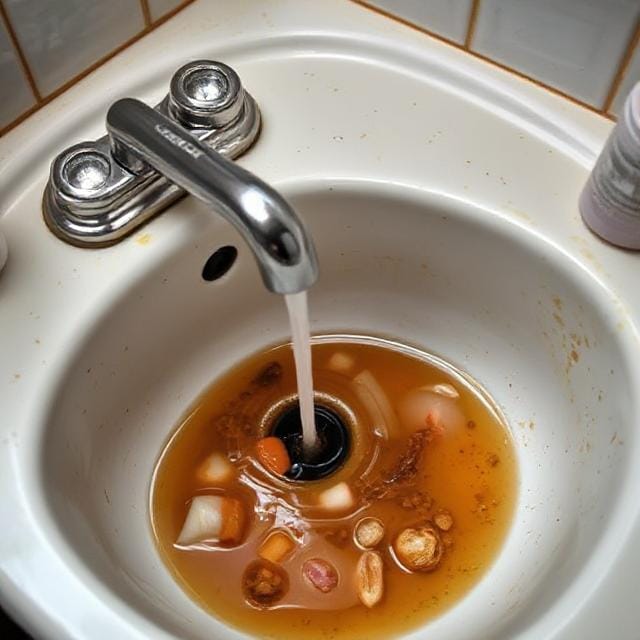
You’re washing dishes after dinner, and suddenly the water stops draining. You jiggle the faucet, poke around the sink, maybe even say a few choice words, but nothing moves. That slow swirl of water is a clear sign: your sink is clogged.
If you’re wondering whether you can fix it without calling a plumber or pouring harsh chemicals down the drain, the answer is yes. There are several home remedies for clogged sink that are safe, simple, and surprisingly effective. In fact, many of them use ingredients you already have in your kitchen.
This article walks you through the best natural methods to unclog your sink, explains why they work, and helps you prevent future clogs. Whether it’s grease buildup in your kitchen or hair in the bathroom drain, we’ve got you covered.
And don’t worry, this isn’t just internet folklore. According to a guide published by Greatist and backed by real plumbing experts, natural remedies like baking soda and vinegar, boiling water, and salt mixtures can work wonders without damaging your pipes.
Let’s start by understanding what causes these annoying clogs in the first place.
What Causes a Clogged Sink?
Before you reach for the plunger or mix up a DIY drain cleaner, it helps to know what you’re dealing with. Not all clogs are created equal, and the remedy that works for one might not work for another.
Here are the most common culprits behind a clogged sink:
Kitchen Sink Clogs
- Grease and oil: These cool and harden inside the pipes, forming sticky blockages.
- Food scraps: Even with a garbage disposal, bits of rice, pasta, and coffee grounds can build up.
- Soap residue: Over time, soap can leave behind a filmy layer that traps other debris.
Bathroom Sink Clogs
- Hair: The number one offender, especially when mixed with soap.
- Toothpaste and shaving cream: These thicken and cling to the sides of the drain.
- Mineral buildup: Hard water can leave behind deposits that narrow the pipe.
Warning Signs of a Clog
- Water drains slowly or not at all
- Gurgling sounds from the drain
- Unpleasant odors rising from the sink
- Standing water that won’t budge
If you notice any of these signs, it’s time to act. The longer you wait, the harder it becomes to fix, and the more likely you’ll need professional help.
According to Daily Home Safety, ignoring early signs of a clog can lead to pipe damage and costly repairs. That’s why natural remedies are not just convenient, they’re smart.
Next, we’ll talk about how to prepare your sink before trying any remedy, and then dive into the top methods that actually work.
Safety First: What to Do Before Trying Any Remedy
Before you jump into unclogging your sink, take a moment to prep. A little caution goes a long way in avoiding messes, or worse, damaging your pipes.
Here’s what to do first:
- Clear the area: Remove any dishes, sponges, or clutter around the sink. You’ll need space to work.
- Scoop out standing water: If your sink is full, use a cup or small container to bail out the water into a bucket. This makes the remedy more effective.
- Wear gloves: You never know what’s lurking in that drain. Rubber gloves protect your hands from grime and bacteria.
- Avoid chemical cleaners: If you’ve already used a store-bought drain cleaner, don’t mix it with natural remedies like vinegar. The chemical reaction can be dangerous.
- Know your pipes: Boiling water works great on metal pipes but can soften or damage PVC if used too often. If you’re unsure, use hot (not boiling) water instead.
Once you’ve done these quick checks, you’re ready to try one of the natural solutions below.
Top 10 Proven Home Remedies for Clogged Sink
You don’t need to be a plumber, or even particularly handy, to try these. Most of these home remedies for clogged sink use things you already have in your kitchen or bathroom. They’re safe, affordable, and surprisingly effective.
Let’s start with the classics.
1. Baking Soda and Vinegar Volcano
This is the go-to remedy for a reason. It’s simple, chemical-free, and works on many types of clogs.
What you need:
- 1 cup baking soda
- 1 cup white vinegar
- Boiling water
How to do it:
- Pour the baking soda directly into the drain.
- Follow with the vinegar. You’ll hear fizzing, that’s the reaction breaking down gunk.
- Cover the drain with a plug or cloth and let it sit for 15–30 minutes.
- Flush with a kettle of boiling water.
Why it works:
The fizzing reaction helps loosen grime, grease, and minor blockages. It’s especially good for soap scum and food residue.
Pro tip: Repeat once a month as a preventative measure.
2. Boiling Water Flush 🔥
Sometimes, the simplest fix is the best, especially for grease clogs.
What you need:
- A kettle or large pot of boiling water
How to do it:
- Boil a full kettle of water.
- Slowly pour it down the drain in stages, allowing it to work for a few seconds between pours.
Why it works:
Hot water melts grease and loosens soap scum, helping it move through the pipes. It’s most effective on kitchen sinks with light buildup.
Caution:
Avoid this method if you have plastic (PVC) pipes. Use hot tap water instead to prevent warping.
3. Salt and Baking Soda Combo
This duo is a gentle but effective scrub for your pipes.
What you need:
- ½ cup table salt
- ½ cup baking soda
- Boiling water
How to do it:
- Mix the salt and baking soda together.
- Pour the mixture into the drain.
- Let it sit for 15–30 minutes.
- Flush with boiling water.
Why it works:
Salt acts as a mild abrasive, while baking soda breaks down grime. Together, they help dislodge buildup without damaging your pipes.
4. Wire Hanger Hack
This old-school trick is surprisingly effective for pulling out hair and gunk, especially in bathroom sinks.
What you need:
- A wire coat hanger
- Pliers (optional)
How to do it:
- Straighten the hanger, then bend one end into a small hook.
- Carefully insert it into the drain and fish around.
- Pull out any hair or debris you can reach.
- Finish with hot water to flush the pipe.
Why it works:
It’s a manual method, but it gets right to the source of the clog. Hair and soap scum often sit just below the surface, and this tool helps you grab it.
Tip:
Be gentle to avoid scratching your pipes or pushing the clog deeper.
5. Plunger Power
Don’t underestimate the classic plunger. It’s not just for toilets, it works wonders on sinks too.
What you need:
- A sink plunger (flat-bottomed)
- A wet cloth or rag
How to do it:
- Block the overflow hole or second drain with a wet cloth.
- Fill the sink with enough water to cover the plunger’s rubber cup.
- Place the plunger over the drain and pump firmly up and down.
- After 15–20 seconds, lift the plunger and see if the water drains.
Why it works:
The pressure helps dislodge whatever is stuck in the pipe. It’s especially useful for clogs caused by food or soap buildup.
6. Wet/Dry Vacuum Trick
If you have a shop vac, this method can be a game-changer.
What you need:
- A wet/dry vacuum
- A towel or old rag
How to do it:
- Set the vacuum to liquid mode.
- Create a tight seal around the drain using the hose and a towel.
- Turn it on for 10–15 seconds to suck out the clog.
Why it works:
The suction can pull out stubborn blockages that other methods can’t reach. It’s quick, clean, and surprisingly satisfying.
7. Dish Soap and Hot Water
This method is gentle but effective, especially for greasy kitchen clogs.
What you need:
- ¼ cup dish soap
- Boiling water
How to do it:
- Pour the dish soap down the drain.
- Follow with a kettle of boiling water.
- Let it sit for 10–15 minutes, then flush again with hot tap water.
Why it works:
Dish soap breaks down grease and oil, helping it slide through the pipes. It’s a great first step before trying more aggressive methods.
8. Enzyme Cleaners (Natural Store-Bought Option)
If you prefer a ready-made solution, enzyme-based cleaners are a safe and eco-friendly choice.
What you need:
- A natural enzyme drain cleaner (like Bio-Clean or Green Gobbler)
How to do it:
- Follow the instructions on the label.
- Usually, you’ll pour it in at night and let it sit overnight.
Why it works:
Enzymes eat away at organic material like hair, grease, and food. They’re safe for all types of plumbing and septic systems.
Note:
These work best as a maintenance tool or for slow drains, not for severe clogs.
9. Lemon Juice and Baking Soda
This method smells great and works well for light clogs and deodorizing.
What you need:
- ½ cup baking soda
- ½ cup lemon juice
- Hot water
How to do it:
- Pour the baking soda into the drain.
- Add the lemon juice and let it fizz for 15–20 minutes.
- Flush with hot water.
Why it works:
Lemon juice is acidic like vinegar but has a fresher scent. It helps break down buildup and leaves your sink smelling clean.
10. Cola Drain Cleaner
Yes, really. That bottle of cola in your fridge might just save the day.
What you need:
- 1–2 cups of cola (not diet)
How to do it:
- Pour the cola down the drain.
- Let it sit for an hour or more.
- Rinse with hot water.
Why it works:
Cola contains phosphoric acid, which can break down grime and rust. It’s not the strongest method, but it’s worth a try for mild clogs.
These remedies are simple, affordable, and often surprisingly effective. In the next section, we’ll talk about when it’s time to put down the baking soda and call in a professional.
When to Use a Plumber Instead
Home remedies are great, until they’re not. While most clogs can be handled with baking soda, plungers, or a wire hanger, some situations call for professional help. Knowing when to step back can save you time, money, and a whole lot of stress.
Here are a few signs it’s time to call a plumber:
The clog keeps coming back
If your sink drains slowly again just days after you’ve cleared it, there might be a deeper issue. Recurring clogs could mean buildup in the main line or a problem with your plumbing layout.
Nothing seems to work
You’ve tried boiling water, vinegar, plunging, even a wet/dry vacuum, and still no luck. If the clog won’t budge, it’s likely too far down the pipe or too solid for home remedies.
Strange sounds or smells
Gurgling noises, foul odors, or bubbling water in nearby drains can signal a blockage in the main sewer line. This isn’t something you want to tackle alone.
Multiple drains are clogged
If your kitchen sink, bathroom sink, and shower are all backing up, it’s probably a system-wide issue. That’s a job for a licensed plumber with the right tools.
You suspect pipe damage
Older homes or homes with tree roots nearby are more prone to cracked or collapsed pipes. If you’ve noticed water stains, mold, or damp cabinets, don’t wait, get it checked.
According to the American Society of Home Inspectors, trying to fix major plumbing issues without the right experience can lead to bigger problems. A professional plumber has the tools to inspect your pipes, clear deep clogs, and repair damage safely.
That said, don’t feel discouraged. Most sink clogs are minor and can be fixed with the remedies we’ve covered. But if your gut tells you it’s more serious, trust it, and call in the experts.
Preventive Tips to Keep Your Sink Flowing Freely
Once you’ve cleared a clog, the last thing you want is for it to come back. The good news? A few easy habits can go a long way in keeping your sink trouble-free.
Here’s how to stay ahead of future clogs:
1. Be Mindful of What Goes Down the Drain
This might sound obvious, but it’s the number one way to prevent clogs.
- In the kitchen, avoid pouring grease, oil, or fat down the sink. Instead, let it cool and toss it in the trash.
- Scrape food scraps into the bin before rinsing dishes.
- Skip the coffee grounds and eggshells, they’re notorious for causing buildup.
In the bathroom, use a drain cover to catch hair and avoid rinsing clumps of toothpaste or shaving cream down the drain.
2. Flush Your Drains Regularly
Give your pipes a little TLC once a week.
- Pour a kettle of hot water down the drain to melt away grease and soap residue.
- Once a month, use the baking soda and vinegar method as a natural maintenance routine.
This keeps things moving and helps prevent buildup before it becomes a problem.
3. Use Natural Deodorizers
If your sink starts to smell funky, it could be a sign of slow buildup.
- Try flushing with lemon juice and hot water.
- Drop a few citrus peels into the garbage disposal (if you have one) and run it with cold water.
These not only freshen the drain but also help break down light residue.
4. Install a Drain Screen or Strainer
A simple mesh screen can catch hair, food, and other debris before it enters your pipes. They’re inexpensive, easy to clean, and can save you from a major clog.
5. Avoid Chemical Drain Cleaners
While they might seem like a quick fix, chemical cleaners can damage your pipes over time, especially if used often. They’re also harmful to the environment and not safe for septic systems.
Stick to natural remedies or enzyme-based cleaners for regular maintenance.
6. Know When to Act
If you notice water draining slower than usual, don’t wait. A quick flush with hot water or a baking soda treatment can stop a small issue from turning into a full-blown clog.
By building these habits into your weekly or monthly routine, you’ll save yourself time, money, and the headache of dealing with a backed-up sink. Prevention really is the best cure.
FAQs About Home Remedies for Clogged Sinks
Even with all these tips and tricks, you might still have a few questions. Here are some of the most common ones people ask when dealing with a clogged sink, and the answers you need.
❓ Can I use baking soda and vinegar regularly?
Yes, absolutely. In fact, using this combo once a month is a great way to keep your drains clean and fresh. It’s gentle on your pipes and helps prevent buildup before it becomes a clog.
❓ Is boiling water safe for all types of pipes?
Boiling water is safe for metal pipes like copper or galvanized steel. But if your home has PVC pipes, stick to hot tap water instead. Repeated exposure to boiling water can soften or warp plastic over time.
❓ What’s the fastest remedy for a clogged sink?
If you’re in a hurry, try the boiling water method first. It’s quick, easy, and works well for grease-based clogs. If that doesn’t work, the baking soda and vinegar method is your next best bet.
❓ Are enzyme cleaners really effective?
Yes, especially for organic clogs like hair, food, and grease. They’re not instant fixes, but they work gradually and are safe for septic systems. Brands like Bio-Clean and Green Gobbler are popular choices.
❓ Can I use cola to unclog my drain?
Surprisingly, yes. Cola contains acids that can break down grime and rust. It’s not the strongest method, but it’s worth trying for mild clogs or as a deodorizer.
❓ What if my sink smells bad but isn’t clogged?
Bad smells often come from buildup or bacteria in the drain. Try flushing with lemon juice and hot water, or use baking soda and vinegar to deodorize. If the smell persists, it could be a sign of a deeper issue.
These answers should help you feel more confident about using natural remedies and knowing when to escalate the issue.
Final Thoughts: Your Sink, Your Solution
Clogged sinks are one of those everyday annoyances that can throw off your whole routine. But as you’ve seen, you don’t need fancy tools or harsh chemicals to fix the problem. With a little know-how and a few household items, you can tackle most clogs quickly and safely.
Whether it’s the fizz of baking soda and vinegar, the muscle of a plunger, or the surprising power of dish soap and hot water, these home remedies for clogged sink are tried, true, and trusted by homeowners everywhere. And the best part? They’re easy to use, gentle on your pipes, and kind to the environment.
Remember, prevention is key. A few smart habits, like using drain screens, flushing with hot water, and being mindful of what goes down the drain, can save you from future headaches.
And if things ever get out of hand, don’t hesitate to call a professional. There’s no shame in asking for help when you need it.
Thanks for sticking with me through this guide. I hope you feel more confident and equipped to handle your next drain dilemma. If you’ve tried one of these remedies and it worked like a charm, share your experience with others. You never know who might need that tip.
Here’s to clean drains and stress-free sinks!

- 7 Immediate Home Remedies for Abscess in Gum Pain Relief (While You Wait for the Dentist) - February 9, 2026
- Home Remedies for Smelly Feet: Natural Ways to Keep Your Feet Fresh - February 8, 2026
- Stop Bad Breath Now: 15 Natural Home Remedies for Good Breath That Really Work - February 7, 2026