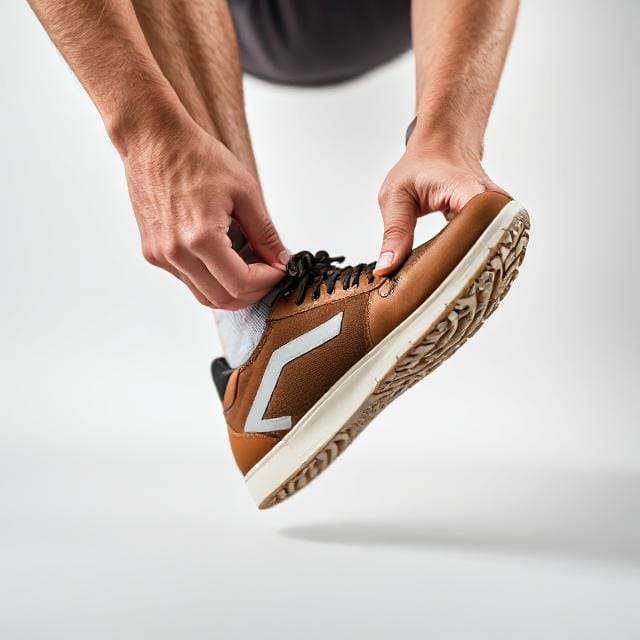
You know that moment, you slip off your shoes after a long day, and suddenly, the room gets quiet. Not because of what you said, but because of what your feet just announced. Smelly feet aren’t just embarrassing; they can make you feel self-conscious, even around close friends or family.
So, what causes foot odor, and more importantly, how can you get rid of it naturally?
Foot odor, or bromodosis, is usually caused by sweat mixing with bacteria on your skin. Your feet have more sweat glands than any other part of your body, and when that moisture gets trapped in socks and shoes, it creates the perfect environment for odor-causing bacteria to thrive. The good news? You don’t need expensive products or harsh chemicals to fix it. There are plenty of simple, effective home remedies for smelly feet that can help you feel fresh and confident again.
Let’s dive into what causes foot odor and explore the best natural solutions that actually work.
Why Do Feet Smell? Understanding the Root Cause
Before we talk about remedies, it helps to understand what’s really going on down there.
1. Sweat and Bacteria: A Stinky Duo
Your feet sweat a lot, especially if you’re active, wear closed shoes all day, or live in a warm climate. Sweat itself doesn’t smell, but when it mixes with bacteria on your skin, it creates that familiar funky odor. According to Dr. Joy Rowland, a podiatrist at Cleveland Clinic, this is the most common cause of foot odor.
2. Poor Ventilation
Wearing shoes that don’t breathe well traps moisture. Synthetic materials like plastic or rubber don’t allow air to circulate, which means your feet stay damp longer. That dampness feeds bacteria and fungi, making the smell worse.
3. Fungal Infections
Conditions like athlete’s foot can also cause smelly feet. Fungi love warm, moist environments and can lead to peeling skin, itching, and a musty odor. If your feet smell and also itch or flake, it might be more than just sweat.
4. Hormonal Changes
Teenagers and pregnant women often experience increased sweating due to hormonal shifts. This can lead to stronger foot odor, even with good hygiene.
5. Stress and Anxiety
Believe it or not, stress can make your feet sweat more. Emotional sweating tends to be more intense and can lead to stronger odors.
Top 10 Home Remedies for Smelly Feet That Actually Work
Now that we know what causes foot odor, let’s look at the best natural ways to treat it. These remedies are easy to do at home and use ingredients you probably already have.
1. Vinegar Soak
Vinegar is a powerful antibacterial agent. Soaking your feet in a mix of vinegar and warm water helps kill odor-causing bacteria and restore your skin’s natural pH balance.
How to use it:
- Mix 1 part vinegar (white or apple cider) with 2 parts warm water.
- Soak your feet for 15–20 minutes.
- Repeat daily for a week.
According to Home Remedy Book, vinegar is one of the most effective natural treatments for foot odor.
2. Baking Soda Bath
Baking soda neutralizes odors and helps control moisture. It also has mild antibacterial properties.
How to use it:
- Add 2 tablespoons of baking soda to a basin of warm water.
- Soak your feet for 15 minutes.
- Pat dry thoroughly.
You can also sprinkle baking soda directly into your shoes to absorb moisture overnight.
3. Black Tea Soak
Black tea contains tannins that tighten skin pores and reduce sweating. It also has antibacterial properties.
How to use it:
- Brew 2 black tea bags in 2 cups of boiling water.
- Let it cool and add to a foot bath.
- Soak your feet for 20 minutes daily.
4. Epsom Salt Detox
Epsom salt helps draw out toxins and soothe tired feet. It’s especially helpful if your feet feel sore or swollen.
How to use it:
- Dissolve ½ cup of Epsom salt in warm water.
- Soak your feet for 20 minutes.
- Dry thoroughly and moisturize afterward.
5. Essential Oils
Tea tree oil, lavender oil, and peppermint oil are all great for fighting bacteria and adding a fresh scent.
How to use it:
- Add a few drops of essential oil to a foot soak.
- Or mix with a carrier oil (like coconut oil) and massage into clean feet.
Tea tree oil is especially effective against fungal infections and is often used in natural foot sprays.
6. Cornstarch or Baby Powder
These powders help keep your feet dry throughout the day. Less moisture means fewer bacteria and less odor.
How to use it:
- Sprinkle cornstarch or baby powder on your feet before putting on socks.
- You can also dust it inside your shoes.
7. Lemon Juice Rinse
Lemon juice is a natural astringent that helps tighten pores and reduce sweating. It also smells great.
How to use it:
- Mix lemon juice with a bit of water.
- Rinse your feet and let them air dry.
8. Apple Cider Vinegar Spray
If you’re short on time, a quick spray can help keep odor at bay.
How to use it:
- Mix equal parts apple cider vinegar and water in a spray bottle.
- Spray on clean feet and let dry before putting on socks.
9. Activated Charcoal Insoles
Activated charcoal absorbs moisture and odor. You can buy insoles or make your own using charcoal pads.
How to use it:
- Place charcoal insoles in your shoes.
- Replace every few weeks for best results.
10. DIY Herbal Foot Scrub
A scrub made with salt, coconut oil, and herbs like mint or rosemary can exfoliate dead skin and leave your feet smelling fresh.
How to use it:
- Mix 2 tablespoons of salt with 1 tablespoon of coconut oil and a few drops of essential oil.
- Scrub gently and rinse.
Daily Hygiene Tips to Prevent Foot Odor
Even the best home remedies for smelly feet won’t work long-term if you don’t pair them with good daily habits. Think of these tips as your foot care foundation, simple changes that make a big difference.
Wash Your Feet Like You Mean It
A quick rinse in the shower isn’t enough. Take time to scrub your feet with soap, especially between the toes. Use a washcloth or soft brush to remove dead skin and bacteria. Dry them completely afterward, moisture is the enemy.
Keep Toenails Trimmed and Clean
Long or dirty toenails can trap bacteria and fungus. Trim them regularly and clean underneath to prevent buildup. If you get pedicures, make sure tools are sanitized.
Change Socks Daily (Or More Often)
If your feet sweat a lot, change socks during the day. Damp socks are a breeding ground for odor. Choose breathable materials like cotton or bamboo, and avoid synthetic fabrics that trap moisture.
Rotate Your Shoes
Wearing the same pair every day doesn’t give them time to air out. Alternate between pairs and let each one dry completely before wearing again. Stuffing shoes with newspaper overnight can help absorb moisture.
Use Antibacterial Soap or Wipes
If you’re on the go or wearing shoes all day, keep antibacterial wipes handy. A quick wipe-down can help reduce bacteria and keep your feet fresh.
Keep Your Feet Dry Throughout the Day
If you’re prone to sweaty feet, consider using foot powder or cornstarch in the morning. You can also carry a small towel or extra socks if you’re out for long hours.
Clean Your Shoes Regularly
Shoes can hold onto odor even after your feet are clean. Wash insoles, spray the inside with vinegar or essential oils, and let them dry in the sun when possible.
These habits don’t take much time, but they go a long way in keeping foot odor under control. According to the American Podiatric Medical Association, consistent hygiene is one of the most effective ways to prevent foot-related issues, including odor.
Best Footwear and Sock Choices for Odor-Free Feet
Your shoes and socks play a huge role in whether your feet stay fresh or start to smell. Choosing the right materials and styles can make all the difference.
Choose Breathable Materials
Look for shoes made from natural materials like leather, canvas, or mesh. These allow air to circulate and help your feet stay dry. Avoid plastic or rubber shoes unless they’re specifically designed for ventilation.
Go for Moisture-Wicking Socks
Cotton is great, but bamboo and wool are even better at pulling moisture away from your skin. Moisture-wicking socks help keep your feet dry, especially during workouts or long days on your feet.
Avoid Tight, Closed Shoes All Day
Wearing tight shoes for hours traps heat and sweat. If possible, switch to sandals or open-toe shoes when you’re home or in a casual setting. Let your feet breathe.
Use Odor-Fighting Insoles
Activated charcoal, cedarwood, and baking soda insoles can help absorb moisture and neutralize odor. You can find these online or at most drugstores.
Wash Shoes When Possible
Canvas and athletic shoes can often be tossed in the washing machine. Just make sure to dry them completely before wearing again. For leather shoes, use a damp cloth and a natural deodorizing spray.
Replace Old Shoes
If your shoes still smell after cleaning, it might be time to say goodbye. Old shoes can hold onto bacteria and odor even after multiple washes.
Let Shoes Air Out
After wearing shoes, take them off and let them sit in a well-ventilated area. You can also place them near a fan or in direct sunlight to help kill bacteria.
Try Sock Liners
If you wear dress shoes or boots, sock liners can help absorb sweat without adding bulk. They’re easy to wash and can extend the life of your socks.
Choosing the right footwear isn’t just about style, it’s about keeping your feet healthy and odor-free. According to a study published in the Journal of the American Academy of Dermatology, breathable shoes and moisture-wicking socks significantly reduce the risk of foot odor and fungal infections.
When to See a Doctor About Smelly Feet
Most of the time, home remedies for smelly feet do the trick. But sometimes, foot odor can be a sign of something more serious. If you’ve tried multiple remedies and the smell still won’t go away, it might be time to check in with a healthcare provider.
Persistent Odor That Doesn’t Improve
If your feet still smell bad after weeks of consistent care, it could mean there’s an underlying issue. Chronic foot odor might be linked to excessive sweating (hyperhidrosis), a fungal infection, or even a skin condition.
Signs of Infection
Watch out for redness, peeling skin, itching, or blisters. These symptoms could point to athlete’s foot or another fungal infection. In these cases, over-the-counter antifungal creams may help, but a doctor can confirm the diagnosis and recommend stronger treatment if needed.
Excessive Sweating
If your feet sweat heavily even when you’re not active or it affects your daily life, you might have hyperhidrosis. This condition can be treated with prescription antiperspirants, oral medications, or even procedures like iontophoresis.
Diabetes or Circulatory Issues
People with diabetes or poor circulation need to be extra careful with foot health. Any unusual odor, wound, or change in skin texture should be checked by a doctor right away to prevent complications.
According to the Mayo Clinic, foot odor that doesn’t respond to basic hygiene or home care may require medical attention, especially if it’s accompanied by other symptoms like pain or skin changes.
FAQs About Smelly Feet
Let’s answer some of the most common questions people have about foot odor. These quick insights can help clear up confusion and offer practical advice.
Can Diet Affect Foot Odor?
Yes, what you eat can influence how your body smells. Foods like garlic, onions, and spicy dishes can cause stronger body odor, including foot odor. Staying hydrated and eating a balanced diet helps your body flush out toxins more efficiently.
Are Smelly Feet Hereditary?
Foot odor itself isn’t hereditary, but the tendency to sweat more can be. If your parents had sweaty feet, you might be more prone to it too. That’s why good hygiene and breathable footwear are especially important.
Is Foot Odor a Sign of a Health Problem?
Usually, it’s just a hygiene issue. But if the odor is strong, persistent, or comes with other symptoms like pain or skin changes, it could be a sign of infection or a medical condition. When in doubt, talk to a doctor.
Can Children Get Smelly Feet?
Absolutely. Kids are active and often wear closed shoes for long hours, which can lead to sweaty, smelly feet. Encourage them to wash their feet daily, wear clean socks, and let their shoes air out.
Do Foot Sprays Work?
Yes, many foot sprays contain antibacterial ingredients that help reduce odor. Look for sprays with natural oils like tea tree or peppermint for a refreshing boost. You can also make your own at home using essential oils and water.
Final Thoughts: Fresh Feet, Fresh Confidence
Smelly feet might feel like a small problem, but it can have a big impact on your confidence and comfort. The good news is that you don’t need fancy products or expensive treatments to fix it. With a few simple home remedies and smart daily habits, you can keep your feet fresh, clean, and odor-free.
Remember, your feet carry you through life, literally. Taking care of them isn’t just about hygiene; it’s about self-care. So whether you’re dealing with occasional odor or a more persistent issue, these natural solutions can help you feel good from the ground up.
And if you ever feel like you’ve tried everything and nothing’s working, don’t hesitate to reach out to a doctor. Sometimes, a little expert help is all it takes to get back on track.
Here’s to happy, healthy feet, and the confidence to kick off your shoes without a second thought.

- Home Remedies for Smelly Feet: Natural Ways to Keep Your Feet Fresh - February 8, 2026
- Stop Bad Breath Now: 15 Natural Home Remedies for Good Breath That Really Work - February 7, 2026
- Home Remedies for Gingivitis: Natural Ways to Soothe Bleeding Gums and Restore Oral Health - February 6, 2026