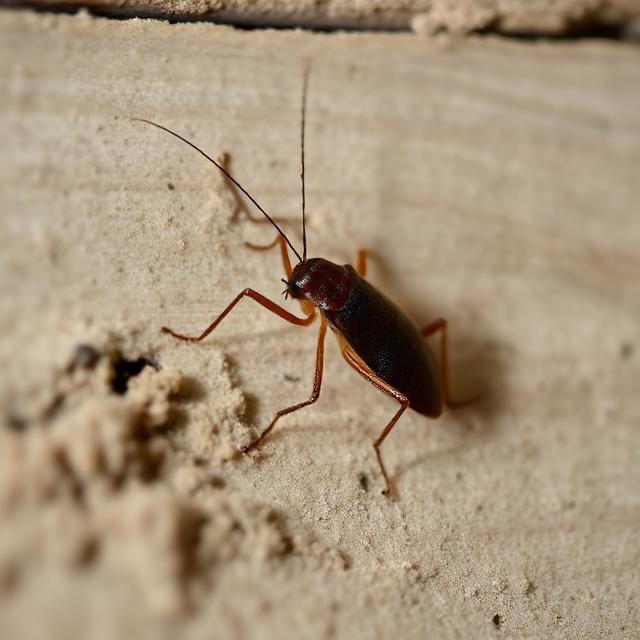
That sudden, midnight flicker in your peripheral vision. The unmistakable, stomach-dropping realization: roaches. If you’ve ever experienced that particular horror, you know the feeling of wanting a safe, fast, and permanent solution without resorting to toxic chemical sprays. You love your home, and you shouldn’t have to share it with these uninvited, resilient guests. The great news? You absolutely don’t have to douse your living space in harsh pesticides to reclaim your kitchen. The most effective way to eliminate and repel roaches is to use a strategic combination of readily available home remedies for roaches, such as boric acid, diatomaceous earth, and simple baking soda traps, paired with rigorous sanitation. These natural options are often cheaper, safer for children and pets, and, when used correctly, highly successful at tackling even stubborn infestations. Ready to evict these pests for good? Let’s dive into the proven methods that have been saving homes for generations.
Top 3 Must-Try Home Remedies
When you’re staring down an infestation, you need quick, decisive action. Here are the three powerhouses in the world of natural roach control. We’ll cover exactly how to use each one in the next section, but if you only try three things, make it these:
- Boric Acid & Sugar Paste: This is often considered the gold standard for nonprofessional pest control. It acts as both a stomach poison and a desiccant, making it deadly effective when consumed.
- Diatomaceous Earth (DE) Powder: A fantastic, non-toxic remedy. This fine, naturally occurring powder works mechanically, destroying the roach’s protective outer layer, leading to fatal dehydration. It’s safer to use around pets and kids than many other solutions, provided you choose the food grade version.
- Baking Soda & Sugar Trap: Simple, affordable, and surprisingly potent. The sugar is the irresistible bait, and once the roach consumes the baking soda, the natural reaction with its stomach acids is lethal.
These three remedies target the problem from different angles, and using them in tandem creates a far more hostile environment for the pests than any single approach would alone.
The “Killers” – Remedies for Immediate Eradication
When discussing home remedies for roaches, we need to start with the “heavy hitters”, the ingredients that actually eliminate the bugs, not just scare them away. These methods are designed to be ingested or to physically kill the roach, leading to the necessary reduction in the population.
1. Boric Acid (The Gold Standard)
Few natural cockroach killers have the reputation and proven track record of boric acid. This isn’t the same as Borax, though they’re related. Boric acid is derived from naturally occurring mineral salts and is highly toxic to insects like roaches, ants, and termites.
How it Works: Boric acid is a slow-acting poison. Roaches walk through the dust, pick it up on their legs and antennae, and ingest it when they clean themselves. It then attacks the roach’s nervous system and stomach, causing death. Because it works slowly, the contaminated roach often returns to the nest before dying, spreading the poison to others in the colony, which is key for eliminating roaches.
How to Use (The Right Way):
- Make a Bait: Boric acid alone won’t attract roaches. Mix one part boric acid with two parts sugar (or flour) and a small amount of water to create a thick, sticky paste. The sugar is the lure.
- Placement is Key: Place small dabs of the paste or thin layers of the dry powder in areas you know roaches frequent: under the sink, behind the refrigerator, beneath the oven, and inside cabinets.
- The Thin Layer Rule: Never use thick piles. Roaches will simply walk around a clump. The dust must be so fine that it’s barely visible; they must be able to walk through it easily to pick it up.
Safety Note: While less toxic than industrial pesticides, boric acid is still poisonous if ingested by people or pets. Always place it out of reach, in areas inaccessible to children and animals.
2. Diatomaceous Earth (Food Grade) – DE
If you’re seeking a non chemical, highly effective solution, diatomaceous earth (DE) is a fantastic tool for natural pest control. It’s a fine powder made from the fossilized remains of tiny aquatic organisms called diatoms.
How it Works: On a microscopic level, DE particles are razor sharp. When a roach walks over the powder, the particles cut into its waxy, protective outer shell (the exoskeleton). This causes the roach to dehydrate rapidly and die. It’s a purely mechanical killer, meaning roaches cannot build up a resistance to it like they can with chemical sprays.
Credible Reference: The effectiveness of DE has been studied extensively. Research published in the Journal of Economic Entomology supports the use of DE as an effective, non-toxic alternative for managing various household pests, including German cockroaches, the most common species in homes.
How to Use:
- Use a Duster: Like boric acid, this must be applied in a paper-thin, nearly invisible layer. If you see white clumps, you’ve used too much. Use a small squeeze duster or powder applicator to puff the DE into cracks, crevices, wall voids, and under appliances.
- Stay Dry: DE only works when dry. If it gets wet, it will clump and lose its lethal edges.
3. Baking Soda and Sugar/Flour
This is perhaps the most accessible of all home remedies for roaches. You likely have both ingredients in your pantry right now, and they make a surprisingly potent combination for getting rid of roaches.
How it Works: Roaches are attracted to the sugar or flour, which they consume alongside the baking soda. When the baking soda (sodium bicarbonate) mixes with the roach’s stomach acid, it produces gas, causing fatal internal ruptures.
How to Use:
- The Mix: Combine equal parts baking soda and powdered sugar or flour.
- The Deployment: Place the mixture in small, shallow bottle caps or dishes and scatter them in high traffic areas. Don’t forget inside kitchen drawers and under the bathroom vanity.
- Pro Tip: Pair the dry mix with a small, accessible dish of water nearby. Roaches need water often, and the immediate hydration after consuming the dry mixture may speed up the reaction.
The “Barriers” – Traps and Deterrents
While the “killers” work to eliminate the existing population, “barriers” focus on repelling new invaders and trapping those already inside. These methods use simple physics and strong natural scents to disrupt the roaches’ life cycle and prevent them from reaching food and water.
4. Essential Oils (The Scent Warfare)
Roaches navigate and communicate primarily through scent, and their senses are overwhelmed by powerful natural odors. This makes specific essential oils effective natural roach repellents.
How it Works: Oils like peppermint and cedar disrupt the roaches’ navigational abilities, making areas treated with these scents uninhabitable to them. They’ll avoid the area entirely, forcing them to move elsewhere.
The Most Effective Scents:
- Peppermint Oil: This is often cited as the most effective repellent. It smells wonderful to us, but is highly offensive to roaches.
- Cedarwood Oil: Known for repelling clothes moths, cedar is also a strong deterrent for various other pests.
- Tea Tree Oil: While strong, this oil works well when sprayed directly, though it’s expensive to use for large areas.
How to Use:
- The Spray: Mix 10 to 15 drops of your chosen essential oil (start with peppermint oil) with one cup of water and a dash of dish soap (the soap helps the oil mix with the water).
- Deployment: Spray this solution daily along entry points: windowsills, door frames, behind cabinets, and along baseboards. Focus on any crack or crevice they might use to enter your home.
5. Dish Soap and Water Spray
For the pests you see scrambling across the floor, you need an immediate knock down. Forget crushing them; the dish soap spray is a far cleaner and surprisingly lethal solution.
How it Works: Roaches breathe through small openings called spiracles, located on their bodies. A heavy, viscous liquid like soapy water quickly coats these pores, smothering and immobilizing the insect almost instantly.
How to Use:
- The Mix: Fill a spray bottle with warm water and mix in a generous squirt of concentrated liquid dish soap—the kind you use for handwashing.
- The Attack: This is only effective if you hit the roach directly. Aim for the underside of the belly or the main body. The roach will slow down and die within a minute or so. Just remember to discard the dead roach promptly!
6. Sticky Traps (Monitoring and Containment)
While not technically a “remedy” that kills the nest, simple sticky traps are an invaluable tool for knowing exactly where the roaches are traveling and how severe your problem is.
How it Works: These small, cardboard traps use a powerful adhesive to hold any roach that walks over them. They offer zero escape.
How to Use:
- Placement: Place them under the sink, behind the toilet, and near the waste bin.
- Reading the Traps: If you catch several roaches in one spot, that tells you the nest is likely nearby, guiding you on where to focus your boric acid or diatomaceous earth application. If you catch mostly small, young roaches, it’s a strong sign you have a successful breeding population established.
The “Preventers” – Long-Term Management (The Only Way to Win)
You can use all the home remedies for roaches in the world, but if you don’t address the reason they came in the first place, food, water, and shelter, they will always return. Long term roach control is achieved through dedicated sanitation and exclusion efforts. This is the difference between temporary relief and a permanent solution.
7. Sanitation and Exclusion: The Foundation of Roach Control
Roaches are opportunistic. They can survive on crumbs, grease, and even residue on surfaces. Eliminate these attractants, and you eliminate the invitation.
- Eliminate Food Sources (The Cardinal Rule):
- Air-Tight Storage: Move all dry goods (flour, sugar, cereal, pasta) from their original cardboard boxes into sealed, glass, or heavy plastic containers. This includes pet food!
- Immediate Cleanup: Never leave dirty dishes in the sink overnight. Wipe down stove tops, counters, and dining tables thoroughly before you go to bed.
- Grease is Gold: Roaches feast on kitchen grease. Periodically deep clean the back of your stove and the grease trap in your range hood.
- Eliminate Water Sources (The Lifeline):
- Roaches can live weeks without food, but only days without water. Deprive them of their drink, and you drastically reduce their chances of survival.
- Fix Leaks: Immediately repair any leaky faucets or dripping pipes under sinks and behind appliances.
- Dry the Sinks: Before you sleep, wipe out the kitchen and bathroom sinks so no standing water remains. Do not leave wet sponges on the counter.
- Seal Entry Points (Exclusion is Key):
- Roaches can squeeze through a space as thin as a dime. Your goal is to seal off every possible entrance.
- Use good quality caulk to seal cracks and crevices in the baseboards, walls, and where pipes enter the wall (especially under sinks).
- Place fine steel wool or copper mesh into larger holes and gaps.
8. The Power of Bay Leaves
For a simple, passive repellent that doesn’t involve mixing or spraying, many cultures swear by bay leaves.
How it Works: Roaches find the strong, aromatic scent of bay leaves deeply offensive. They won’t kill the roaches, but they are great at deterring them from particular hiding spots.
How to Use: Crush dried bay leaves slightly to release their scent, and place them in small sachets or dishes inside kitchen cabinets, under the pantry shelves, and behind the trash can.
Frequently Asked Questions
When you choose natural remedies over chemicals, you still need to know how to use them safely and what to expect.
1. Does vinegar kill roaches?
No, not directly. Vinegar is an excellent cleaning agent that removes food residue and grease, which helps starve the roaches. However, spraying them with white vinegar will not kill them. It can act as a mild deterrent due to its strong smell, but it is not a lethal weapon like boric acid or diatomaceous earth.
2. How long do home remedies take to work?
Patience is absolutely essential. Unlike harsh chemical bombs that offer an immediate, toxic knockdown, natural remedies work slowly to ensure the poison gets carried back to the nest. You won’t see results overnight. For solutions like DE or boric acid, it can take 7 to 14 days before you see a significant reduction in population. You must be persistent.
3. When should I call a professional?
If you have tried the combination of sanitation and at least two of the lethal home remedies for roaches (like boric acid and DE) consistently for three weeks and you are still seeing multiple roaches daily, it may be time to consult a pest control professional. A severe infestation that involves deep wall voids or multi unit dwellings often requires more targeted, professional treatment.
Final Thoughts
Reclaiming your home from these persistent pests is absolutely achievable without resorting to expensive, dangerous chemicals. The secret to ultimate roach control is realizing there is no magic bullet, it is about strategy.
The winning formula combines Sanitation (cutting off their food and water), Exclusion (sealing their pathways), and a lethal combination of Home Remedies (like the powerful duo of Diatomaceous Earth and Boric Acid). Be persistent, be thorough, and commit to the long-term practices outlined here.
In fact, the success of these natural methods often comes down to this kind of diligence. A fascinating study by Cornell University, emphasizing Integrated Pest Management (IPM), highlights that sanitation and exclusion measures are often the most crucial factors in successfully managing household pests long term. By focusing on your home environment first, you create a foundation where pests cannot thrive, allowing your chosen natural remedy to finish the job.
So go ahead, grab your baking soda and caulk gun. Your kitchen is yours again.

- Understanding Good Sleep And How to improve sleep quality - April 3, 2026
- 7 Immediate Home Remedies for Abscess in Gum Pain Relief (While You Wait for the Dentist) - February 9, 2026
- Home Remedies for Smelly Feet: Natural Ways to Keep Your Feet Fresh - February 8, 2026