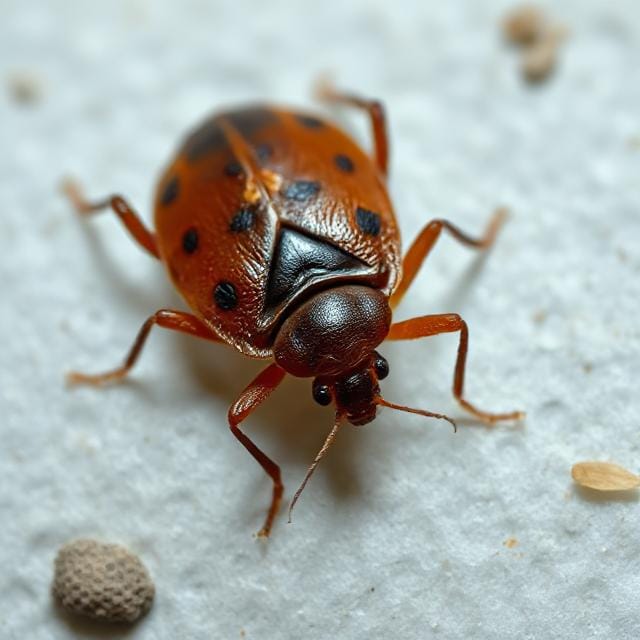
You wake up with red, itchy welts on your arms. Your skin feels like it’s on fire, and you have no idea where these bites came from. Then you see it, a tiny, flat reddish-brown bug crawling across your pillow. Your stomach drops. Bed bugs.
If you’re dealing with a bed bug problem right now, you’re probably panicking and wondering how much an exterminator will cost. Here’s the good news: you don’t always need to spend hundreds or thousands of dollars to get rid of these pests. There are 15 home remedies for bed bugs that can help you tackle this problem using things you probably already have at home. Some work better than others, and I’ll be honest about which ones are worth your time. With the right approach and a bit of patience, you can win this battle without breaking the bank.
What You Need to Know About Bed Bugs First
Before we jump into solutions, let’s talk about what we’re fighting. Bed bugs are sneaky little parasites about the size of an apple seed. They’re flat, oval-shaped, and reddish-brown in color. These bugs are experts at hiding in the tiniest cracks and crevices around your bed, furniture, and even behind wallpaper.
According to the National Pest Management Association, bed bug infestations have increased significantly over the past two decades in the United States. They’ve been found in homes, hotels, offices, and even movie theaters. The problem is real, and it’s growing.
Bed bugs feed on human blood, usually at night when you’re sleeping. They’re attracted to the carbon dioxide you exhale and your body heat. After feeding for about five to ten minutes, they scurry back to their hiding spots. You might not even feel them biting because they inject a numbing agent while feeding.
The signs of a bed bug infestation include small blood spots on your sheets, dark fecal stains on your mattress, shed skins, and of course, the bugs themselves. If you’re waking up with bites in lines or clusters, especially on exposed skin, bed bugs are the likely culprit.
Now here’s why home remedies can actually work. Bed bugs have some major weaknesses. They can’t survive extreme heat or cold. Certain natural substances can dehydrate them or disrupt their ability to function. They need regular blood meals to survive, so cutting off their access to you works too. Understanding these vulnerabilities is the key to beating them naturally.
The 15 Best Home Remedies to Kill Bed Bugs
1. Heat Treatment: Your Most Powerful Weapon
Heat is hands down the most effective home remedy for bed bugs. These pests die when exposed to temperatures above 118°F for just 20 minutes. According to research published by Rutgers University, heat treatment is one of the most reliable non-chemical methods for eliminating bed bugs at all life stages, including eggs.
Here’s how to use heat to your advantage. Strip all your bedding, curtains, and any fabric items from the infested room. Wash everything in the hottest water your fabrics can handle, then dry them on the highest heat setting for at least 30 minutes. The dryer heat is what really does the job.
For items that can’t be washed, like shoes or stuffed animals, throw them in the dryer on high heat for 30 minutes. You can also use a portable steam cleaner on your mattress, box spring, bed frame, and furniture. Move the steamer slowly across surfaces, making sure the steam penetrates into cracks and seams where bed bugs hide.
Don’t skip the furniture. Use steam on your couch, chairs, and even along baseboards. The key is to get the temperature high enough and maintain it long enough to kill both bugs and eggs.
2. Diatomaceous Earth: The Natural Bug Killer
Diatomaceous earth sounds fancy, but it’s actually just crushed fossilized algae. Make sure you buy food-grade diatomaceous earth, not the kind used for pools. This powder works like tiny shards of glass to bed bugs. When they crawl through it, it cuts through their protective outer shell and causes them to dehydrate and die.
Sprinkle a thin layer of diatomaceous earth around the legs of your bed, along baseboards, in cracks, and anywhere you’ve seen bed bug activity. Don’t pile it up thick. A light dusting works better because bed bugs are more likely to walk through it.
Wear a mask when applying it because breathing in any fine dust isn’t great for your lungs. Keep it down for at least a week, then vacuum it up and reapply. This method takes time, sometimes several weeks, but it’s incredibly effective.
The beauty of diatomaceous earth is that bed bugs can’t become resistant to it. It kills them physically, not chemically.
3. Vacuum Everything Thoroughly and Often
This might seem too simple to work, but vacuuming is a crucial part of any bed bug treatment. Use a vacuum with a hose attachment to get into every crack, seam, and crevice. Go over your mattress thoroughly, paying special attention to the seams and tufts. Vacuum your box spring, bed frame, headboard, and any furniture near your bed.
Don’t forget to vacuum carpets, along baseboards, and even your curtains. Bed bugs can hide anywhere, and vacuuming physically removes them from your home.
Here’s the important part: immediately after vacuuming, remove the vacuum bag or empty the canister into a sealed plastic bag. Take that bag outside to your trash can right away. You don’t want those bugs crawling back out.
Vacuum daily if you’re dealing with an active infestation. It won’t kill the eggs, but it removes adults and nymphs, which helps reduce the population.
4. Steam Cleaning for Deep Penetration
A good steam cleaner is worth its weight in gold when fighting bed bugs. Steam penetrates deep into fabrics and gets into places that sprays can’t reach. The heat from steam kills bed bugs and their eggs on contact.
Focus on your mattress first. Go slowly, spending about 30 seconds per section. Pay extra attention to seams, buttons, and any areas where the fabric is tufted. Do the same with your box spring, especially along the edges and corners.
Steam clean your couch, chairs, and any upholstered furniture. Don’t forget carpet edges where they meet the baseboards. These are common hiding spots.
The steam needs to reach at least 160°F to be effective, and most household steam cleaners get hotter than that. Just move slowly enough that the heat has time to penetrate and do its job.
5. Rubbing Alcohol Spray
Rubbing alcohol kills bed bugs on contact by dissolving their outer shell. Use 70% or 91% isopropyl alcohol for best results. Pour it into a spray bottle and spray directly on any bed bugs you see. You can also spray it on surfaces where bed bugs might be hiding.
Spray along mattress seams, on your bed frame, and in cracks in furniture. The alcohol evaporates quickly, so it won’t leave things soaking wet for long.
Here’s the catch: rubbing alcohol only kills bugs it directly touches. It doesn’t have any residual effect, and it won’t kill eggs. You’ll need to spray multiple times over several weeks to catch newly hatched bugs.
Also, be extremely careful. Rubbing alcohol is highly flammable. Never use it near open flames, don’t smoke while using it, and don’t spray it on anything electrical. Keep the room well ventilated while you’re working.
6. Mattress and Pillow Encasements
This remedy doesn’t kill bed bugs, but it traps them and prevents new ones from getting in. Buy zippered mattress and box spring encasements specifically designed for bed bugs. These covers completely seal your mattress and box spring.
Any bed bugs already living in your mattress get trapped inside and eventually starve to death. Bed bugs can survive for several months without feeding, so leave the encasements on for at least a year to make sure everything inside is dead.
Quality encasements also prevent new bed bugs from burrowing into your mattress. They create a smooth surface with nowhere to hide, making it harder for bed bugs to establish themselves.
This is one of the easiest and most effective long-term solutions. Just zip up your mattress and box spring, and you’ve instantly reduced the number of hiding places available to bed bugs.
7. Extreme Cold Treatment
Just like heat kills bed bugs, so does extreme cold. Bed bugs die when exposed to temperatures below 0°F for at least four days. This method works great for items you can’t wash or steam.
Put infested items in sealed plastic bags and place them in your freezer. Leave them there for at least four days, preferably a week, to make sure every bug and egg is dead. This works well for shoes, books, electronics, and other items that can handle freezing temperatures.
If you live somewhere with harsh winters, you can put bagged items outside when temperatures drop below zero. Just make sure they stay that cold for several consecutive days.
Not everything can be frozen, though. Some items might get damaged by extreme cold, so use your judgment. And remember, your regular refrigerator isn’t cold enough. You need a deep freezer or genuinely freezing outdoor temperatures.
8. Essential Oil Spray
Certain essential oils repel and can even kill bed bugs. Tea tree oil, lavender oil, peppermint oil, and eucalyptus oil all have properties that bed bugs hate. While essential oils aren’t as effective as heat or diatomaceous earth, they can be helpful as part of a multi-pronged approach.
Make a spray by mixing 20 drops of essential oil with two cups of water and a tablespoon of dish soap in a spray bottle. Shake it well before each use. Spray it on your mattress, bed frame, furniture, and along baseboards.
The smell alone acts as a repellent, making bed bugs less likely to hang around treated areas. Some oils, particularly tea tree oil, can kill bed bugs on direct contact, though it’s not as reliable as other methods.
Use this spray daily in the early stages of treatment. It’s safe around kids and pets once it dries, unlike chemical pesticides. Plus, your room will smell pleasant instead of like harsh chemicals.
9. White Vinegar
White vinegar contains acetic acid, which can kill bed bugs on contact. It’s cheap, non-toxic, and you probably already have some in your kitchen. Pour undiluted white vinegar into a spray bottle and spray it directly on bed bugs whenever you spot them.
You can also spray vinegar along edges, cracks, and other areas where bed bugs might be hiding. The strong smell helps repel them too.
The downside is that vinegar doesn’t kill bed bug eggs. Their shells protect them from the acid. You’ll need to spray repeatedly over several weeks to kill newly hatched bugs. Vinegar also doesn’t have any residual effect, so it only works when wet and making direct contact.
Still, it’s a safe option for treating areas where you don’t want to use harsher substances. Just be aware that vinegar can damage certain surfaces, so test it in an inconspicuous spot first.
10. Baking Soda
Baking soda is a controversial remedy. The theory is that it absorbs moisture and oils from bed bugs’ bodies, causing them to dehydrate. Some people swear by it, while others say it doesn’t work at all.
If you want to try it, sprinkle baking soda around the legs of your bed, along baseboards, and in cracks where bed bugs might travel. Leave it for a few days, then vacuum it up and apply fresh baking soda. Repeat this process weekly.
To be honest, baking soda isn’t as effective as other methods on this list. But it’s cheap, completely safe, and might provide some help when used alongside other treatments. Just don’t rely on it as your only weapon against bed bugs.
11. Silica Gel
Silica gel is similar to diatomaceous earth. You know those little packets that come in shoe boxes and say “Do Not Eat”? That’s silica gel. It’s a desiccant that absorbs moisture.
You can buy silica gel in larger quantities online or at hardware stores. Crush it into a fine powder and apply it the same way you would diatomaceous earth, around bed legs, along baseboards, and in cracks.
Silica gel actually works faster than diatomaceous earth. It can kill bed bugs in as little as 24 hours, while diatomaceous earth might take a week or more. However, silica gel can be messier and harder to clean up.
Wear a mask when applying it and keep pets and children away from treated areas. While it’s not toxic, you don’t want anyone breathing in the dust or eating it.
12. Double-Sided Tape Traps
This simple trick helps you monitor bed bug activity and catch some bugs in the process. Wrap double-sided tape around the legs of your bed. When bed bugs try to climb up to reach you at night, they get stuck on the tape.
You can also place strips of double-sided tape along the edges of your mattress and around your room’s baseboards. Check the tape daily and replace it when it gets covered with bugs or loses its stickiness.
This method alone won’t eliminate an infestation, but it’s great for tracking whether your other treatments are working. If you’re catching fewer bugs over time, you know you’re making progress.
Plus, there’s something satisfying about catching these pests in the act and being able to see exactly how many you’re dealing with.
13. Declutter and Seal Cracks
This isn’t a direct remedy, but it’s absolutely essential. Bed bugs thrive in cluttered spaces because clutter gives them more places to hide. Go through your bedroom and remove anything you don’t need. Box up items you want to keep and store them away from your sleeping area.
Reduce the number of items under your bed, on your nightstand, and around your room. The fewer hiding spots available, the easier it is to target bed bugs with your treatments.
Also, seal up any cracks in your walls, baseboards, or furniture with caulk. Fill in gaps around outlets and switch plates. Repair torn wallpaper. Every crack you seal is one less place for bed bugs to hide.
This step makes all your other treatments more effective by forcing bed bugs out into the open where your remedies can reach them.
14. Sunlight Treatment
Bed bugs hate bright sunlight and the heat it brings. On a hot, sunny day, take infested items outside and place them in direct sunlight. This works well for things like pillows, cushions, and small pieces of furniture.
Leave items out for several hours, flipping them occasionally so all sides get exposed to the sun. The combination of UV light and heat can kill bed bugs, though this method is less reliable than controlled heat treatment.
This works best during summer when the sun is strongest. It’s also a good supplementary treatment rather than your main approach. Use it for items that are difficult to wash or steam but can safely go outside.
15. Cayenne Pepper Spray
Cayenne pepper is a natural repellent that bed bugs absolutely hate. Mix one teaspoon of cayenne pepper, one teaspoon of oregano, and one teaspoon of grated ginger with boiling water. Let it cool, strain it, and pour it into a spray bottle.
Spray this mixture around your bed, on furniture legs, and anywhere bed bugs might travel. The strong smell and spicy compounds irritate bed bugs and discourage them from crossing treated areas.
This remedy is more about creating barriers and repelling bed bugs than killing them outright. It’s best used in combination with other treatments. Just be careful not to spray it on fabrics that might stain, and keep it away from your face and eyes.
Creating Your Battle Plan
Now that you know all 15 remedies, let’s talk about how to use them together. Fighting bed bugs requires a multi-step approach. Using just one method rarely works because these pests are incredibly resilient.
Start with the most effective treatments first. Begin by washing and heat drying all your bedding, clothes, and fabric items. This immediately kills a large portion of the bed bug population. While those items are in the wash, vacuum your entire bedroom thoroughly.
Next, steam clean your mattress, box spring, and furniture. The combination of washing, vacuuming, and steaming will eliminate most of the bugs on day one. Then install mattress and box spring encasements to trap any survivors.
After your initial attack, apply diatomaceous earth around your room. Put it around bed legs, along baseboards, and in any cracks or crevices. This creates a perimeter that kills bed bugs over time.
Use sprays like rubbing alcohol, essential oils, or vinegar for spot treatments when you see live bugs. Apply double-sided tape to monitor activity and catch bugs trying to reach your bed.
Repeat this process weekly for at least a month. Vacuum daily, steam clean weekly, and reapply diatomaceous earth as needed. Bed bugs have a life cycle, and you need to catch newly hatched bugs before they can reproduce.
Be patient and persistent. It typically takes at least a month of consistent treatment to completely eliminate bed bugs using home remedies. Some infestations take longer, especially if they’re severe or widespread.
How to Prevent Bed Bugs from Coming Back
Once you’ve gotten rid of bed bugs, the last thing you want is for them to return. Prevention is much easier than treatment.
When you travel, always inspect your hotel room before settling in. Pull back the sheets and check the mattress seams for signs of bed bugs. Look for dark spots, shed skins, or live bugs. Keep your luggage on the bathroom floor or in the bathtub, not on the bed or furniture, since bed bugs rarely hang out in bathrooms.
When you get home from a trip, immediately wash all your clothes in hot water and dry them on high heat. Vacuum out your suitcase and store it away from your bedroom.
Be extremely careful with second-hand furniture. Inspect any used mattresses, couches, or chairs carefully before bringing them home. Honestly, it’s probably best to avoid used mattresses entirely. They’re too risky.
Keep your bedroom tidy with minimal clutter. Vacuum regularly, at least once a week. This helps you spot bed bugs early if they do show up.
Consider keeping your mattress and box spring encasements on permanently. They provide ongoing protection and give you peace of mind.
If you live in an apartment building, bed bugs can travel between units. Be aware that you might deal with re-infestation if neighbors have bed bugs. Work with your landlord or property management to address infestations throughout the building.
When to Call a Professional
Home remedies work for many bed bug infestations, but sometimes you need to bring in the professionals. If you’ve been treating your home consistently for a month and you’re still seeing bed bugs regularly, it’s time to call an exterminator.
Severe infestations that have spread throughout multiple rooms are also better handled by professionals. They have access to stronger treatments and specialized equipment like whole-room heaters that can treat an entire space at once.
If you have health issues that make it difficult to do the physical work required for home treatments, or if you’re dealing with bed bugs in a particularly sensitive area like a nursery, professional help might be worth the investment.
Professional bed bug treatment typically costs between $300 and $5,000, depending on the size of your home and the severity of the infestation. It’s expensive, but sometimes necessary. Many companies offer payment plans to make it more affordable.
That said, many people successfully eliminate bed bugs using the home remedies we’ve discussed. Start with these methods first. They’re effective, affordable, and much better for your health than harsh chemical treatments.
Final Thoughts
Dealing with bed bugs is stressful, exhausting, and honestly kind of gross. I get it. But you can beat these pests without spending a fortune or exposing your family to harsh chemicals. These 15 home remedies for bed bugs give you a solid arsenal of weapons to fight back.
Remember, heat treatment and diatomaceous earth are your most powerful tools. Focus on those first, then add other methods to reinforce your defenses. Be thorough, be consistent, and most importantly, don’t give up.
The key to success is using multiple methods together and sticking with your treatment plan for at least a month. Bed bugs are tough, but they’re not invincible. With patience and persistence, you’ll win this battle.
You’ve got this. Take a deep breath, make your plan, and start fighting back today. In a few weeks, you’ll be sleeping peacefully again without worrying about what’s crawling around in your bed. And that feeling of finally being bed bug free? It’s absolutely worth all the effort.

- 7 Immediate Home Remedies for Abscess in Gum Pain Relief (While You Wait for the Dentist) - February 9, 2026
- Home Remedies for Smelly Feet: Natural Ways to Keep Your Feet Fresh - February 8, 2026
- Stop Bad Breath Now: 15 Natural Home Remedies for Good Breath That Really Work - February 7, 2026